
Luxury Travel by Design, Not Definition
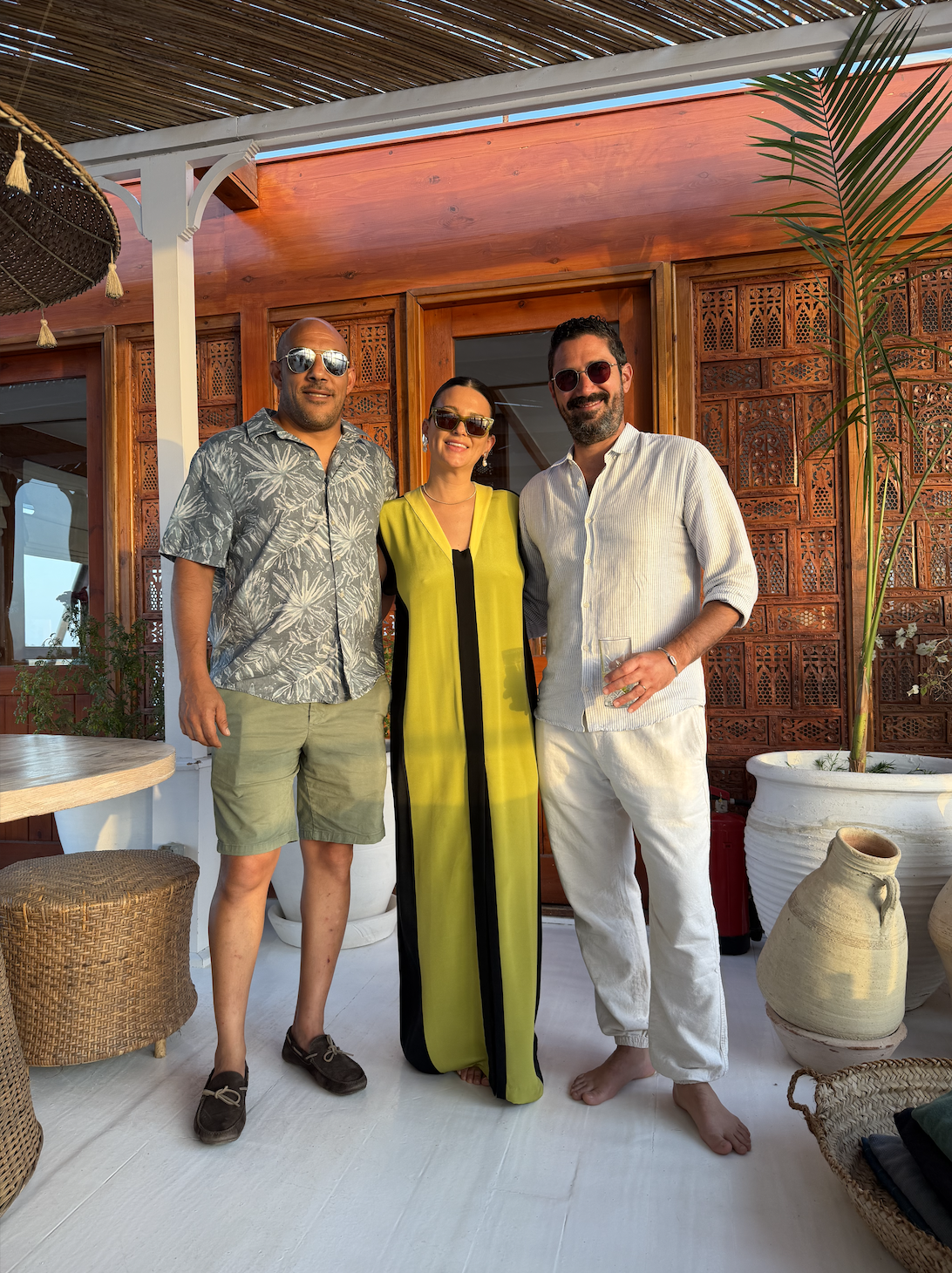
By Elly van Os, Director CIIC PR Luxury Division
Luxury Travel by Design, Not Definition Spend any time in travel or hospitality circles and you will encounter, with some regularity, someone explaining what luxury has become. The framing changes but the confidence rarely does. Luxury is now about experience over opulence. Authenticity. Sustainability. Wellness. Belonging.
There is truth in most of these observations. The problem is that any attempt to replace one definition of luxury with another tends to flatten something genuinely complex. Luxury in travel is not a single thing to be redefined. It is more like an ecosystem: a set of elements that shift in emphasis and proportion to produce experiences that feel equally extraordinary but look completely different from one another.
Think of it as a recipe. Change one or two ingredients, adjust a ratio, put a different person at the stove, and you get something that is its own dish - distinct but no less remarkable than what came before. What holds these very different experiences together is not sameness. It is a quality that is easier to feel than to describe: the sense, when you are in it, that everything has been thought through. That this place, this moment, is exactly as it is meant to be.
That is what these definitions are reaching for when they repeat certain words or phrases until they stop meaning anything. The problem is not that the words are wrong. It is that they describe the feeling without explaining how it is created - and for anyone communicating on behalf of these brands, how it is created is where the story actually lives.
I came to this view from an unusual vantage point. Before I worked in public relations, I studied hotel management at La Roches in Switzerland and later worked in hotel operations, primarily food and beverage. That background gave me a practical understanding of what it takes to produce memorable guest experiences: not as a concept, but as a daily operational challenge. Later, representing hotels, destinations, and travel brands as a PR practitioner, I came to see how luxury is built, positioned, and sold. And as a traveler, I have experienced it firsthand at many of the world's most celebrated properties.
What I have observed across all of that is that the best luxury experiences are each a different recipe drawn from a recognizable set of ingredients: the physical environment, the quality and continuity of the people, the cultural specificity of the place, the consistency of execution, and the degree to which the experience is genuinely designed for the guest in front of you. No property leads with all of these equally. The best ones have figured out which combination is theirs. That clarity is also what makes them communicable.
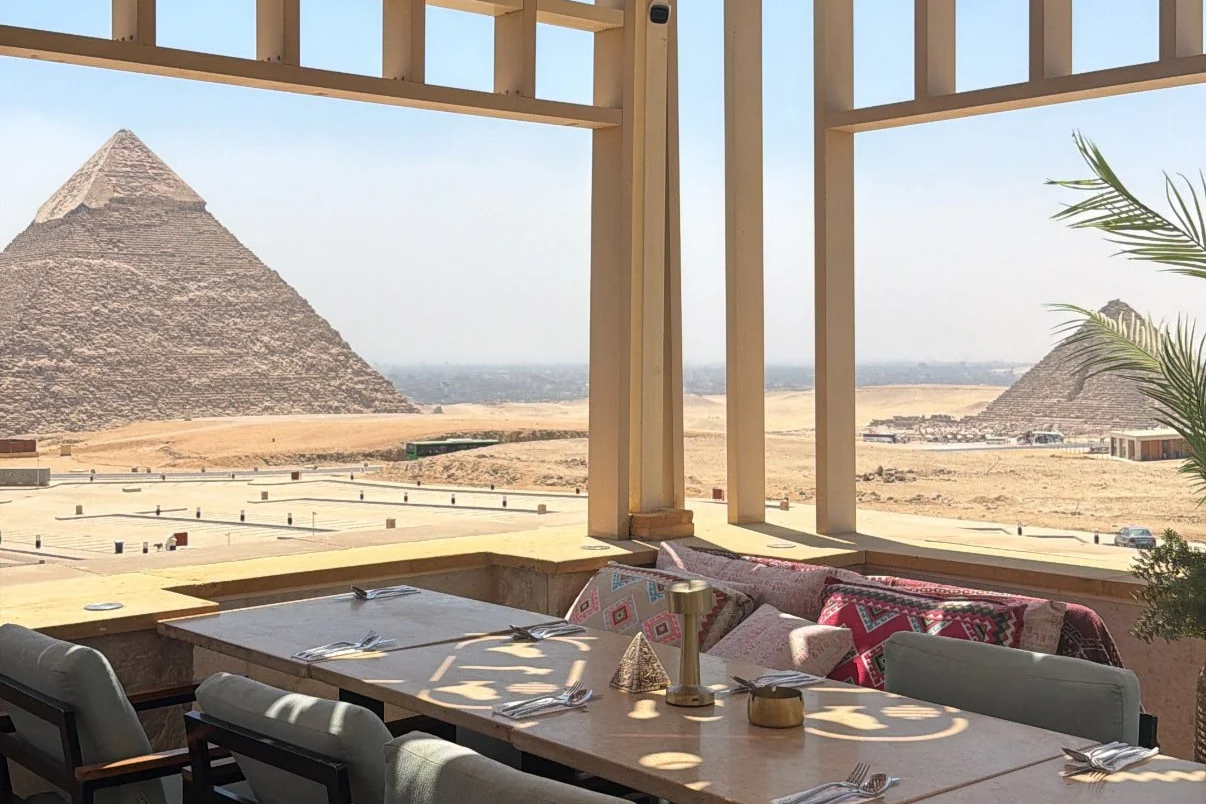
Photo Credit: Elly van Os
Kemetale, a boutique luxury dahabeya cruise on the Nile, leads with cultural specificity. What makes it exceptional is not the boat's design or the remarkable sites it visits, but that it is Egyptian-owned and run by people who understand the culture not as a product to be packaged but as something they inhabit. Guests attend authentic Sufi ceremonies, dine with local families, and enjoy private evening visits to the Tomb of Seti I. The result is a trip with a particular kind of authority: you are being shown Egypt by people who live and love it, and that changes what you see. The story tells itself, once you know what it actually is.
At Rosewood Hong Kong, recently recognized as the best hotel in the world, the recipe is coherence. Every pathway, room, restaurant, and public space has been designed with the guest's movement in mind. Nothing feels accidental or disconnected. There is a flow from arrival onward, a sense that each part of the property is aware of what the other parts are doing. Design in this context is not decoration. It is the structural architecture of ease. When that is the story, showing beats telling.
Château de la Messardière in Saint-Tropez illustrates a different dimension entirely. The children's programming there is not an afterthought designed to occupy kids while parents relax. It is a fully realized experience, with spaces and activities designed specifically for younger guests. When children are genuinely accounted for, everyone is. This, too, is a form of luxury: and a communications angle that many properties miss because they default to a narrower idea of who their guest actually is.
Each of these properties has a different recipe. None of them is trying to be the others. What they share is completeness: the sense that each one has figured out its version of the experience and pursued it without compromise. That is what produces the feeling that something has been fully thought through.
This is also why the luxury travel communications brief has gotten harder, not easier, as the category has become crowded with the same language. "Immersive." "Curated." "Bespoke." These words once signaled something. Now they signal that you have not quite found the right words yet. The properties doing it best are not chasing a definition. They are cooking their own dish, with precision and consistency, and the story that emerges from that specificity is distinctive enough to actually land.
Luxury in travel has never been one thing, and the current moment — when so many are trying to codify it — should be understood as evidence of that rather than a problem to solve.
The result is always different. The feeling, when it works, is the same.